top of page

Tiger Safari at Sundarbans

Custom alt text

Sundarbans is a mangrove forest located a few hours from the city of Kolkata in West Bengal and is the largest mangrove forest in India. I had visited both Kolkata city and the Sundarbans forest in the month of July. I had taken an overnight train from Patna Junction to Kolkata Shalimar via Duronto Express. From the station, I got dropped off to my hotel which I had booked for half day for some rest as I was to meet the rest of the group later during the day. Once we all had assembled at the meeting point, we had to drive from Kolkata all the way to Godkhali Ferry Ghat which is the starting point for all boat tours and cruises into the Sundarbans. We had arrived by late evening with dinner being served on the boat. Our home for the next 4 nights was at Sundarban Banjara Village Homestay which is run by Satyaki Naha who was also our guide during our all day boat safaris.
Custom alt text
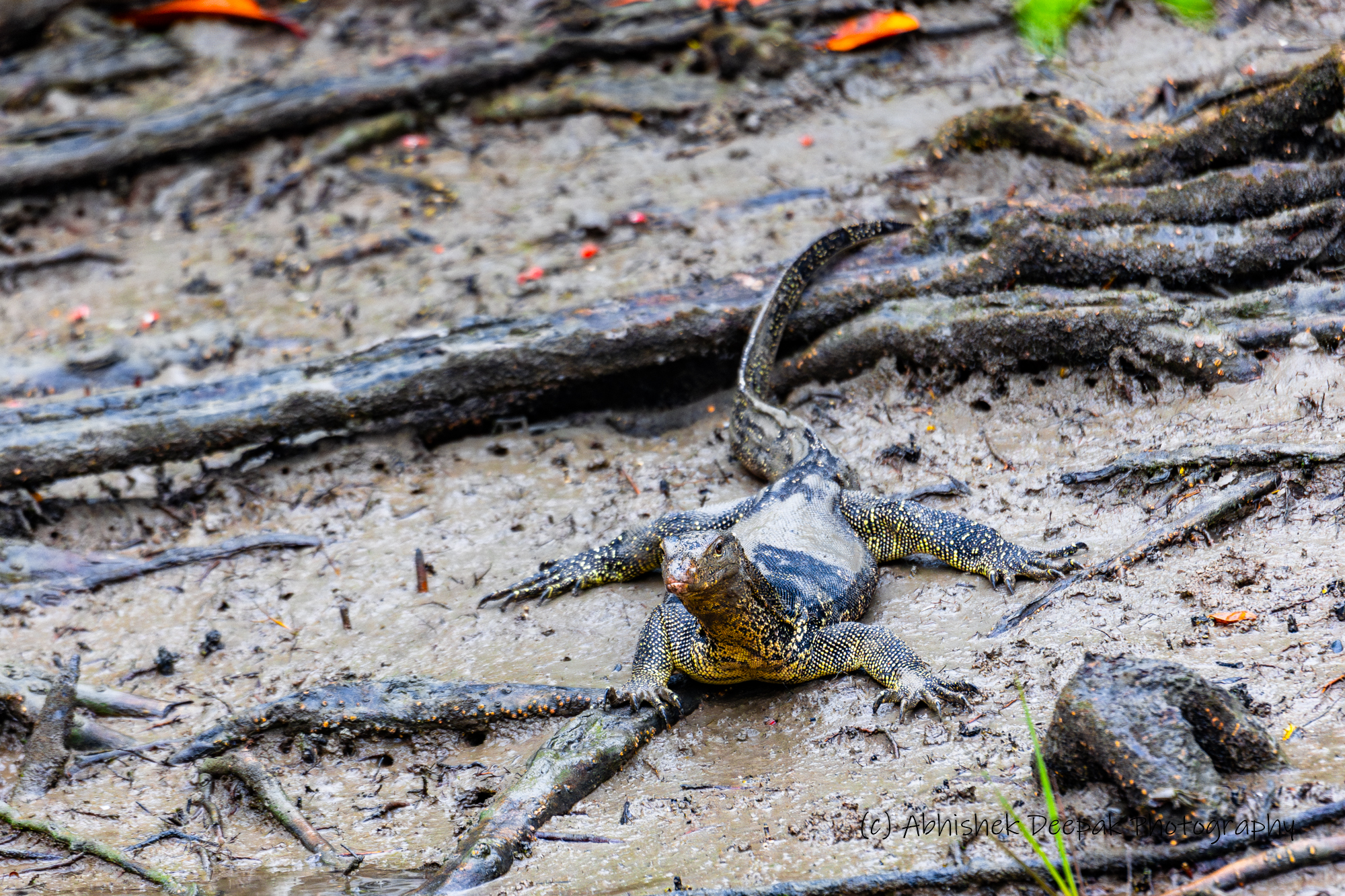
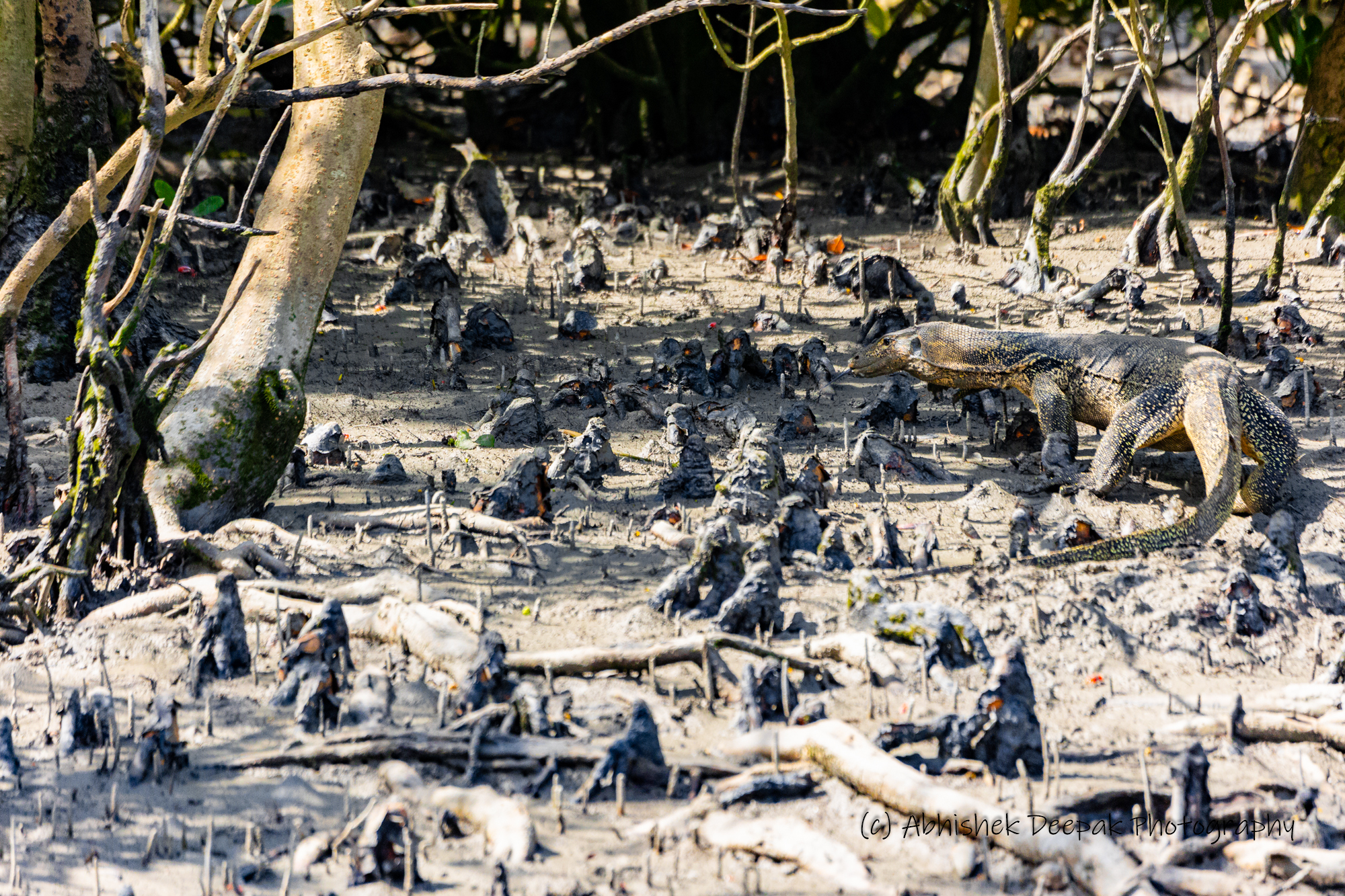
We had spotted a water monitor lizard which are not easily seen due to its shy nature.
Custom alt text
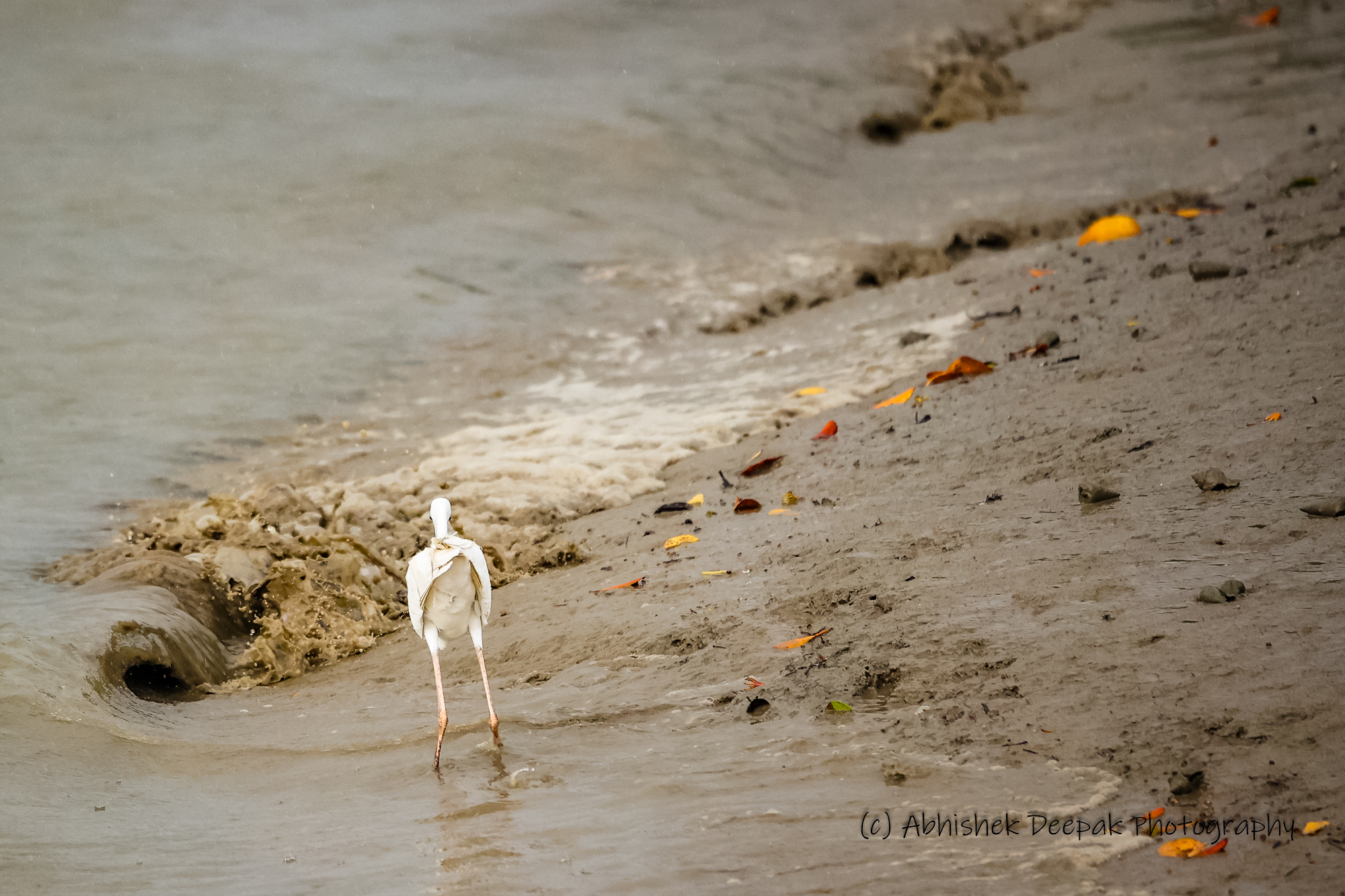
This capture is of a Great Egret trying to traverse the mud bank.
Custom alt text
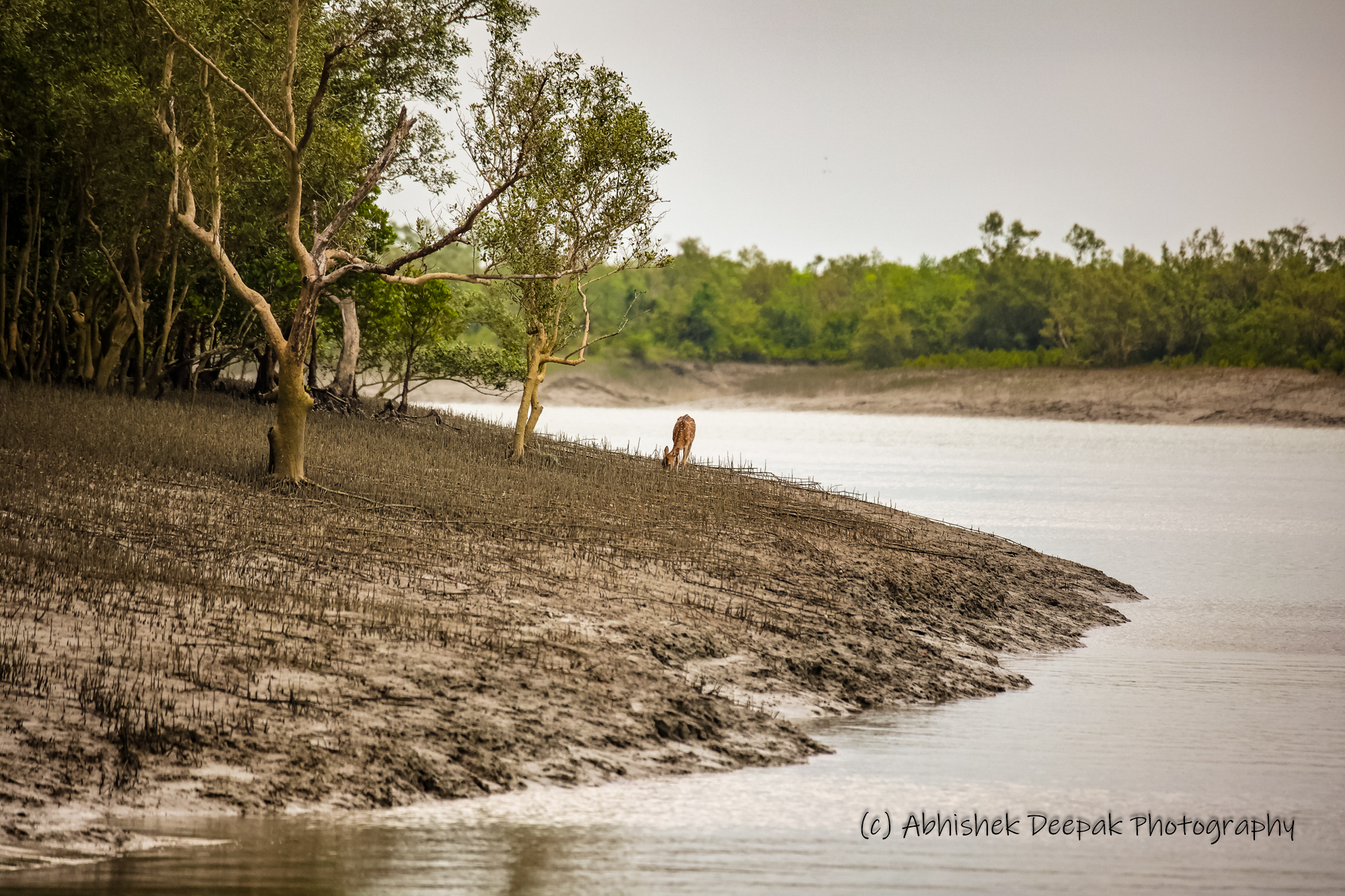
A lone Cheetal in the distance grazing on dry grass.
Custom alt text
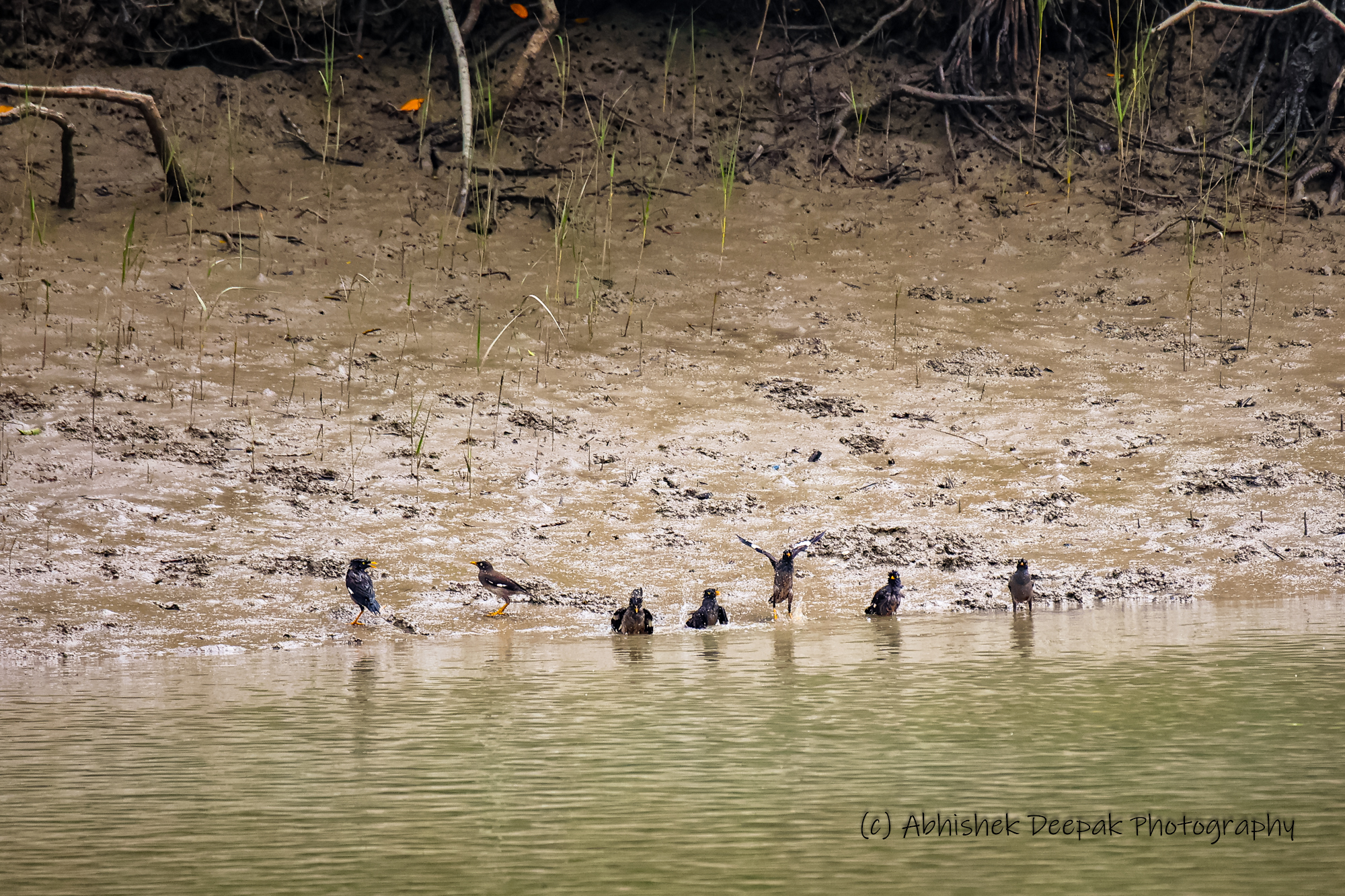
A small flock of bathing Myna birds.
Custom alt text
I like this capture of the monitor lizard and it looks up towards the camera. The lighting however was not that good.
Custom alt text
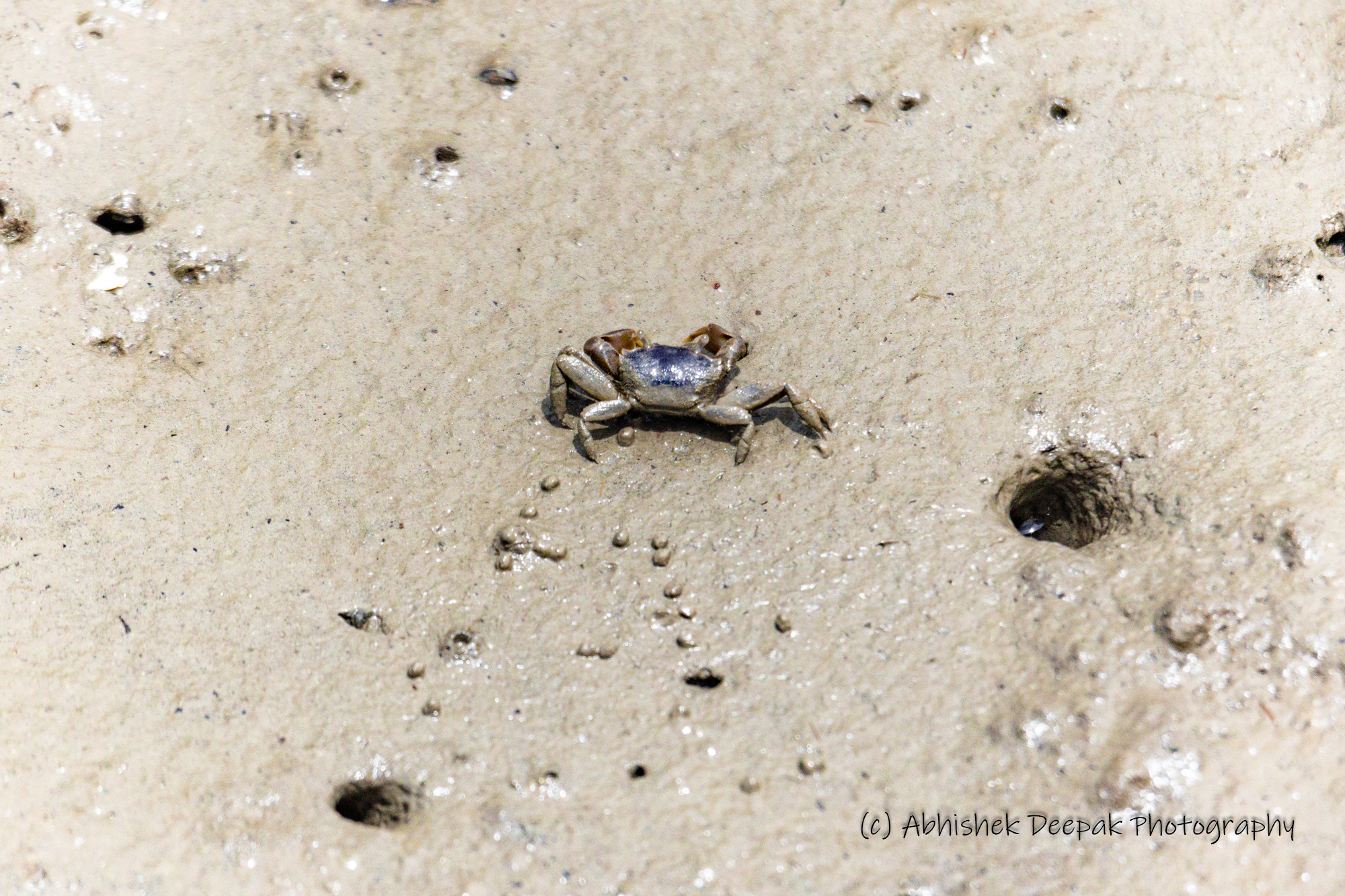
A tiny crab on the mud bank most likely a Fiddler crab.
Custom alt text
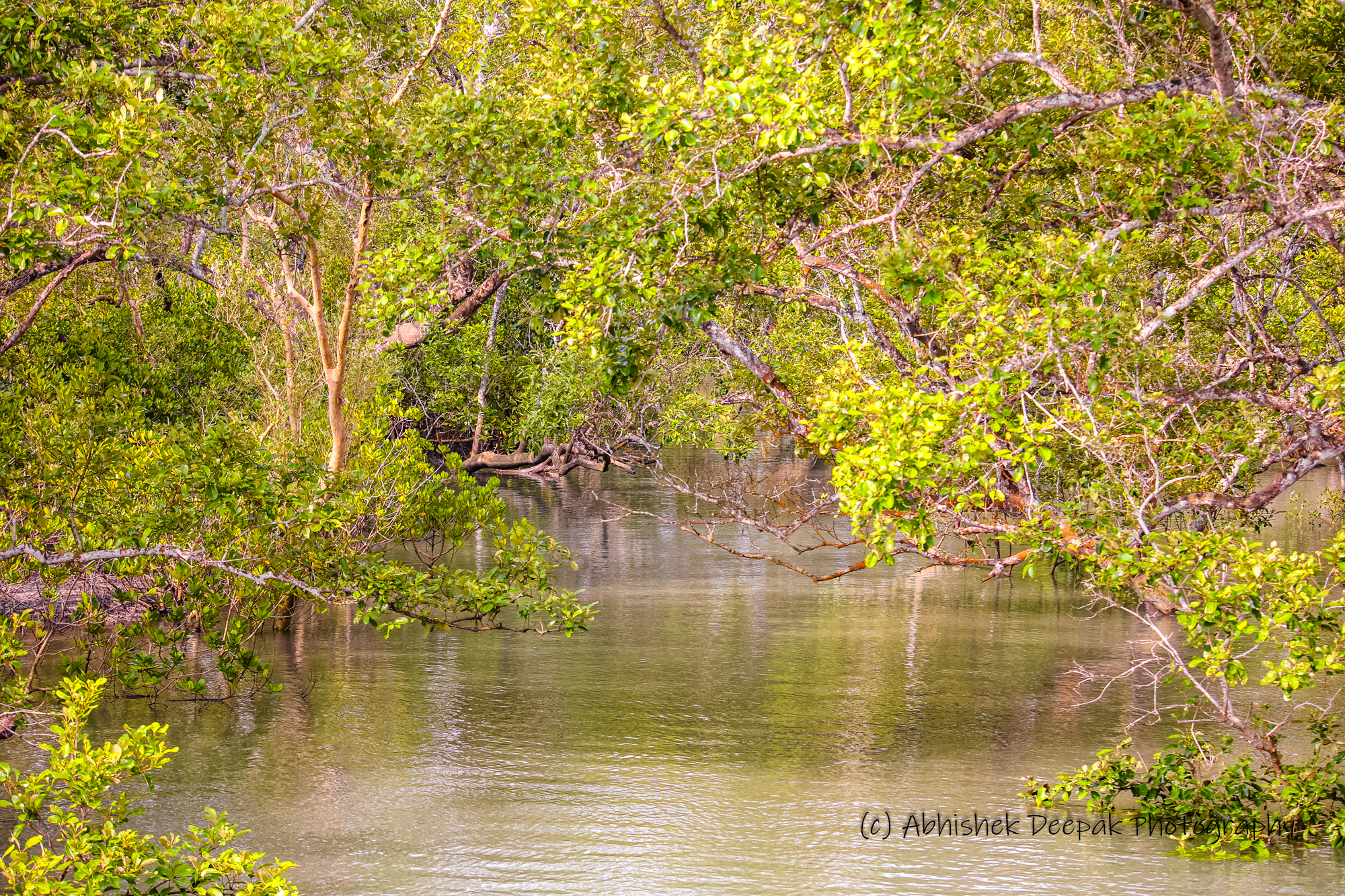
A creek which is a narrow stretch of water that flows into the land, forms part of the Sundarbans forest. These are often used by tigers to travel across the island.
Custom alt text
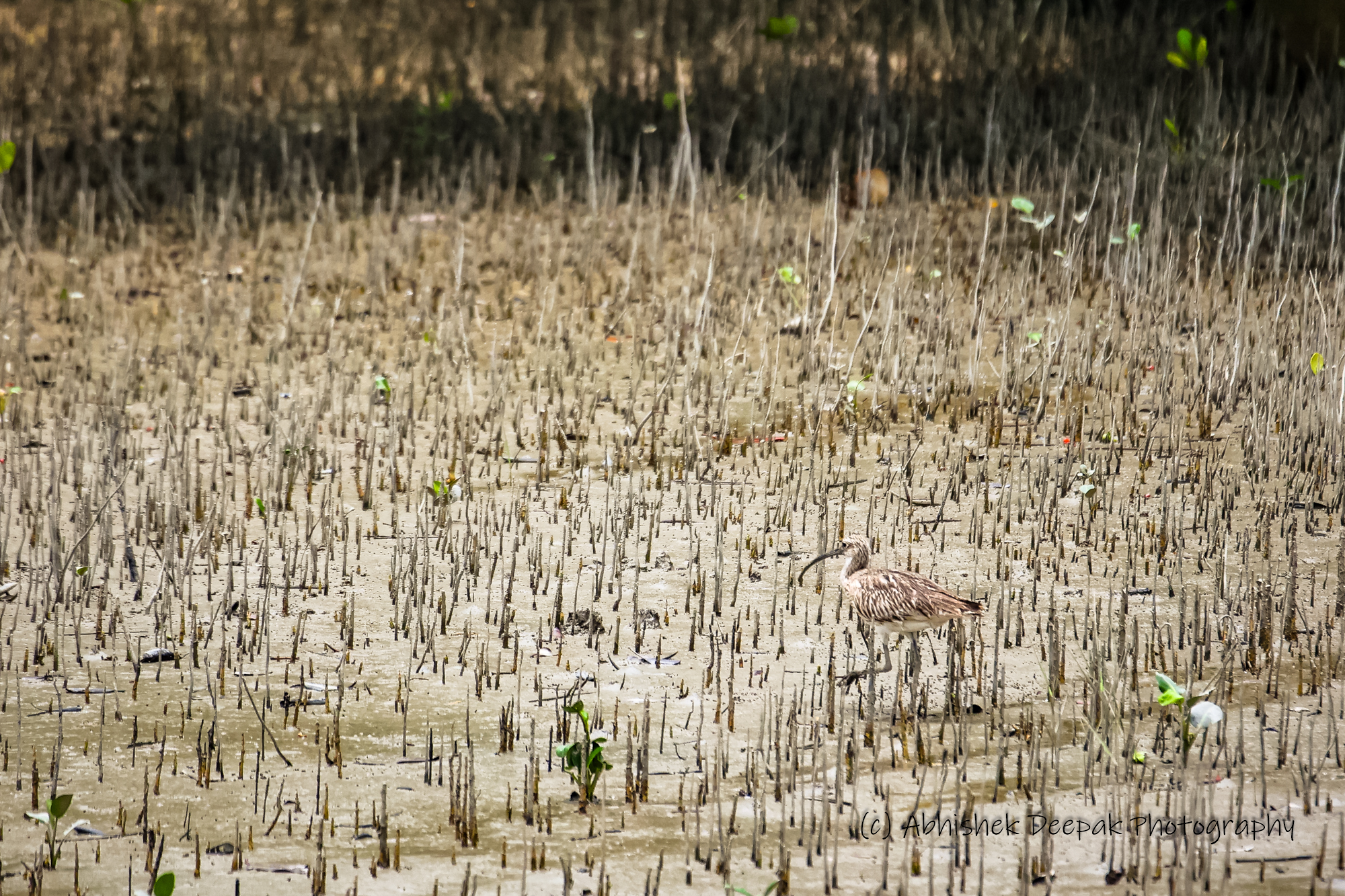
Eurasian Curlew in its natural habitat walking along the mangrove roots.
Custom alt text
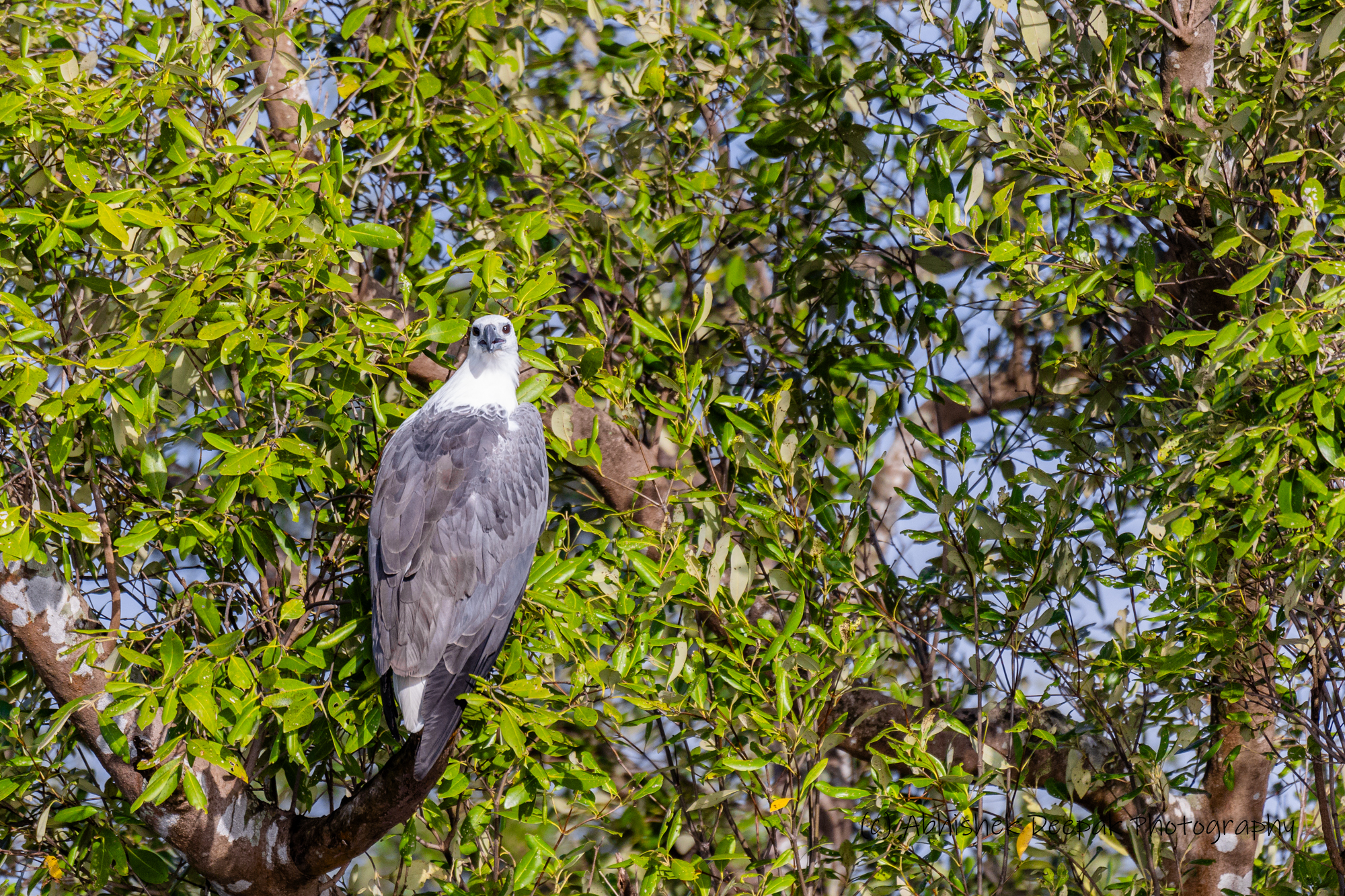
A rare capture of Sea bellied white eagle.
Custom alt text
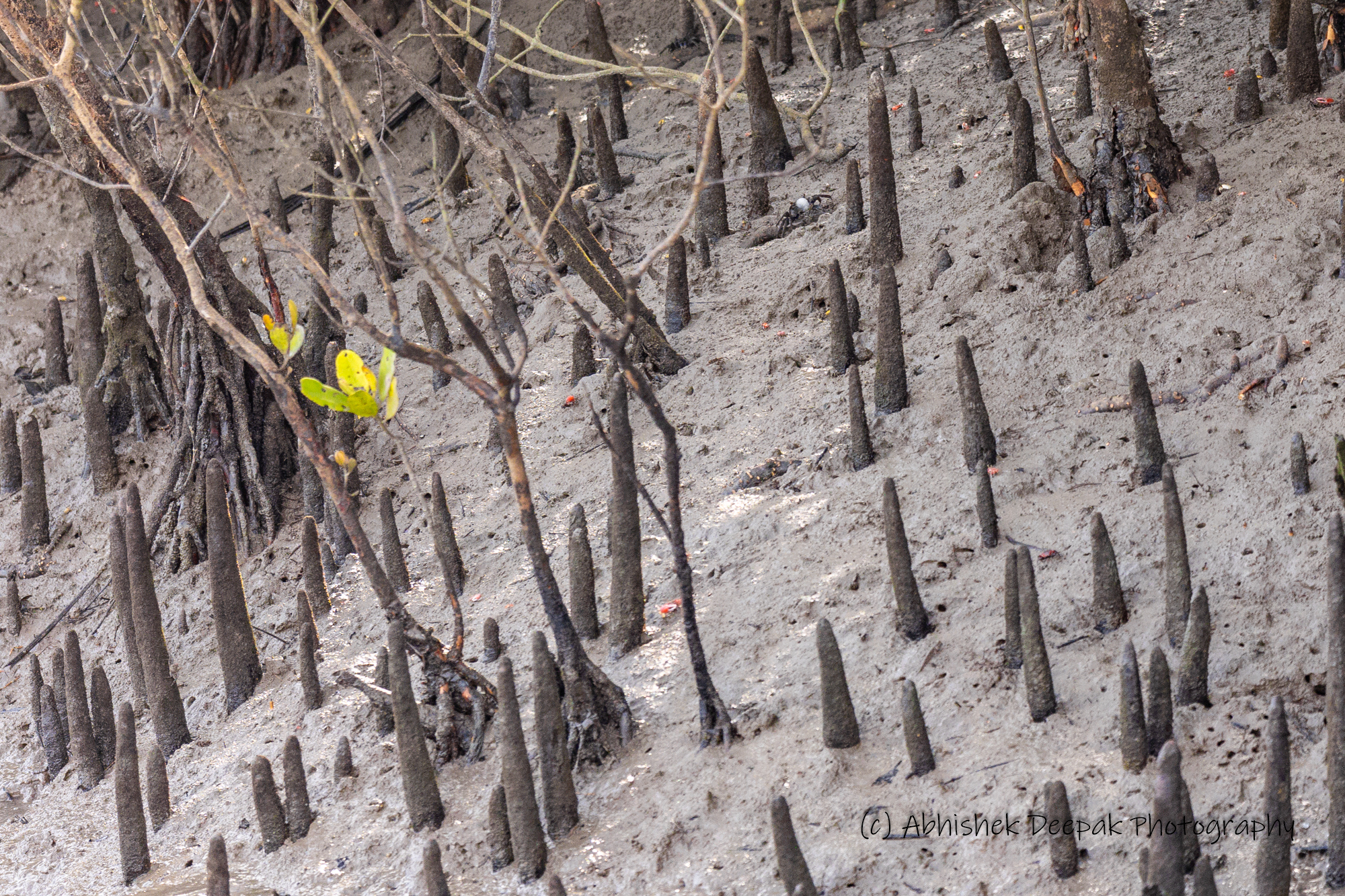
Mangrove roots along the mud flats. These are upright spikes and are the breathing tubes for the tree’s submerged roots.
Custom alt text
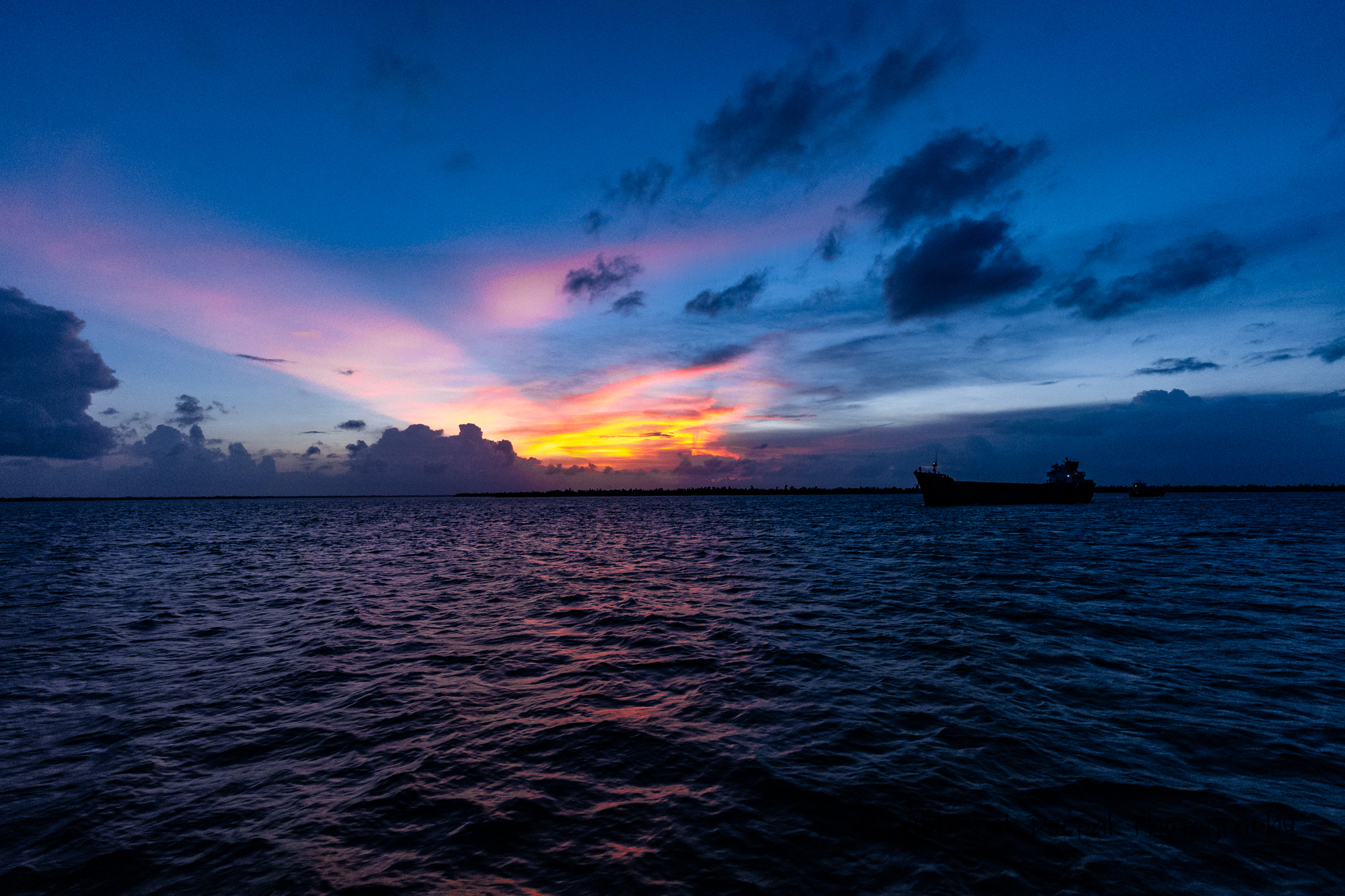
A nice bluish orange sunset taken while on the boat tour.
Custom alt text
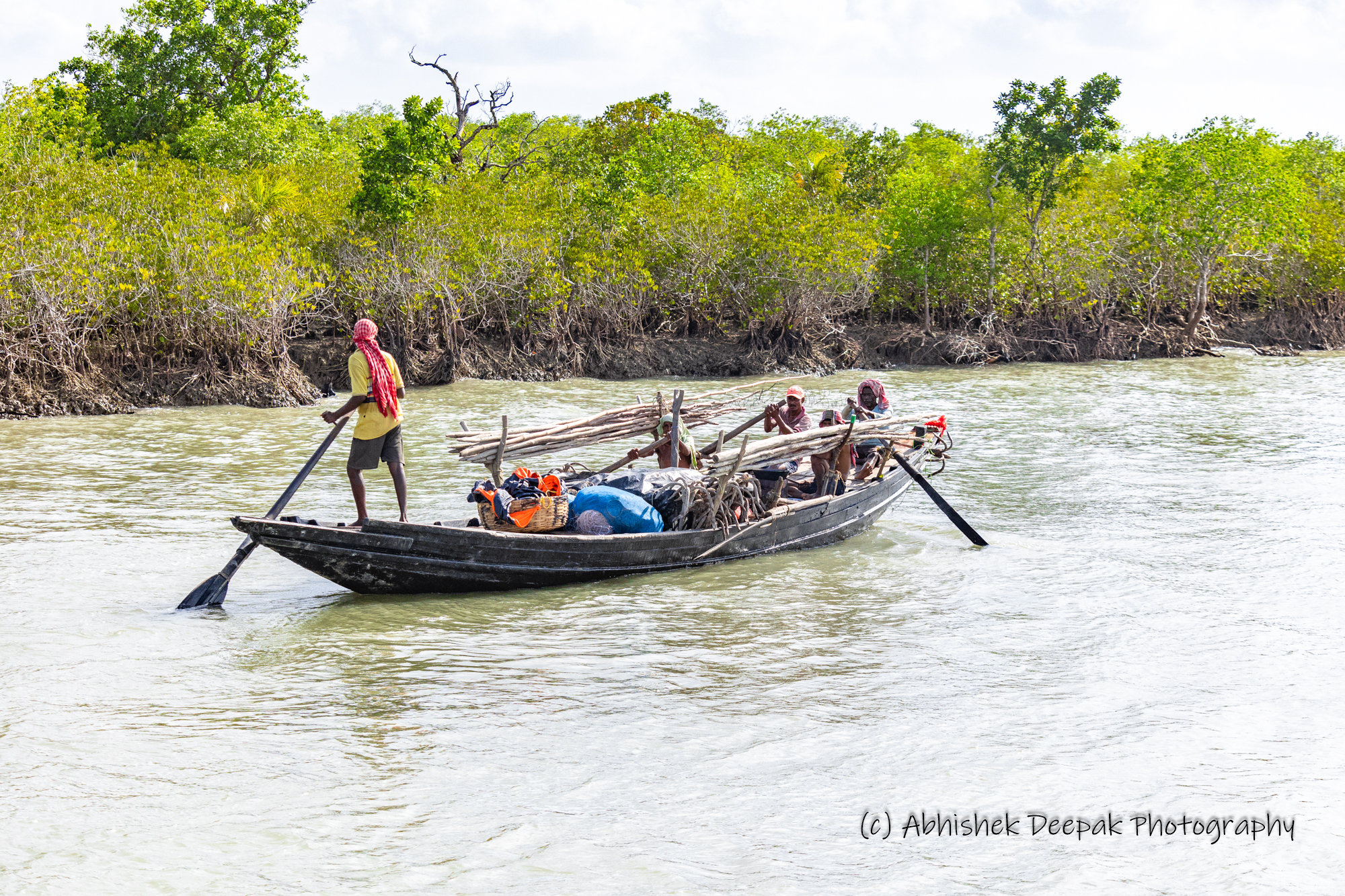
Local fishermen who earn a living by catching fish often risk their lives by venturing into the narrow creeks of the rivers where there is a great chance of encountering tigers that attack if they get too close.
Custom alt text
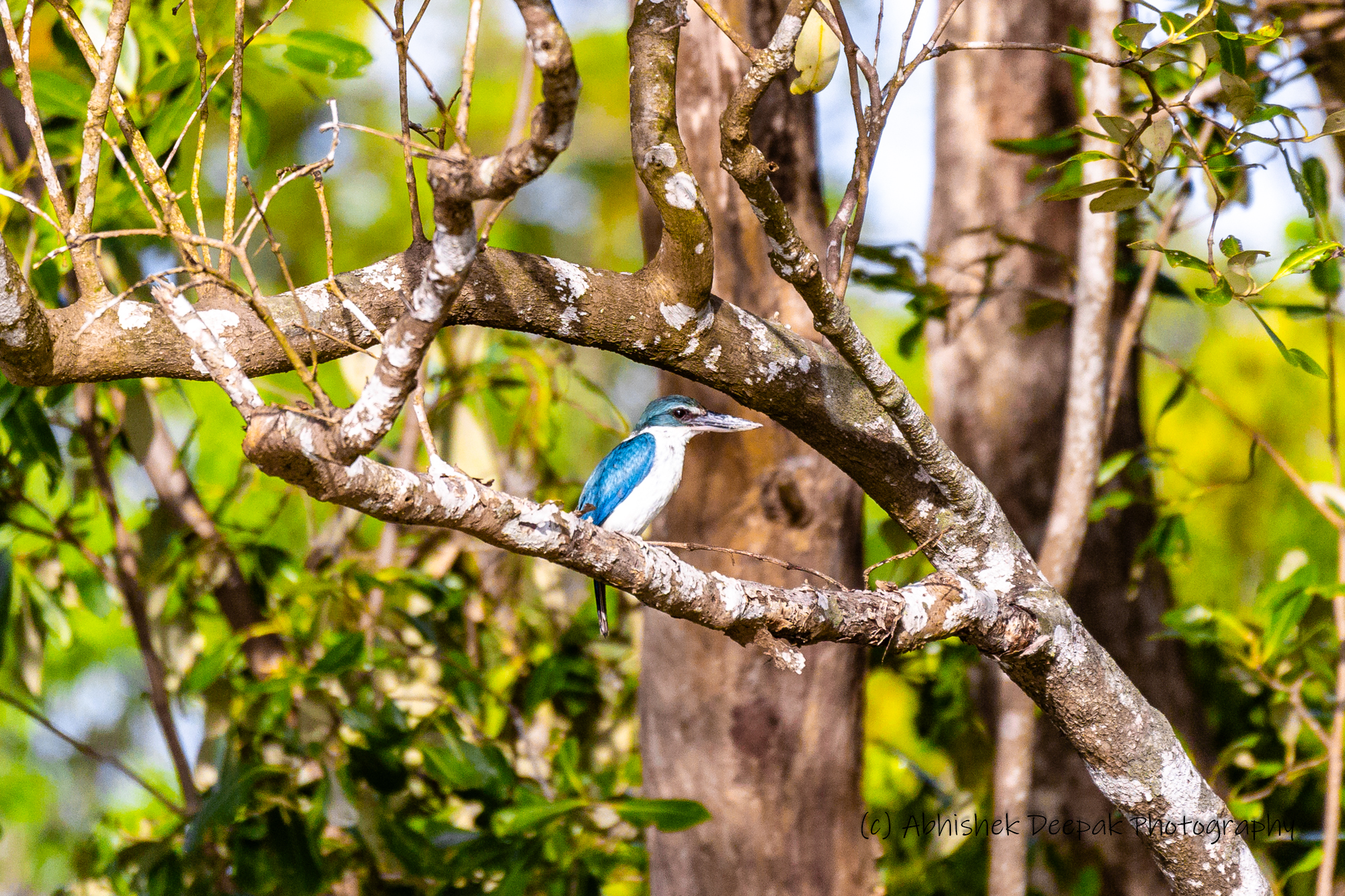
Using my telephoto zoom lens, I was able to capture this Collared Kingfisher which is challenging while on a boat as it is difficult to get a steady shot. One tip is to shoot in servo mode, using centre autofocus point and set the drive mode to high speed continuous plus or similar depending on your camera settings.
Custom alt text
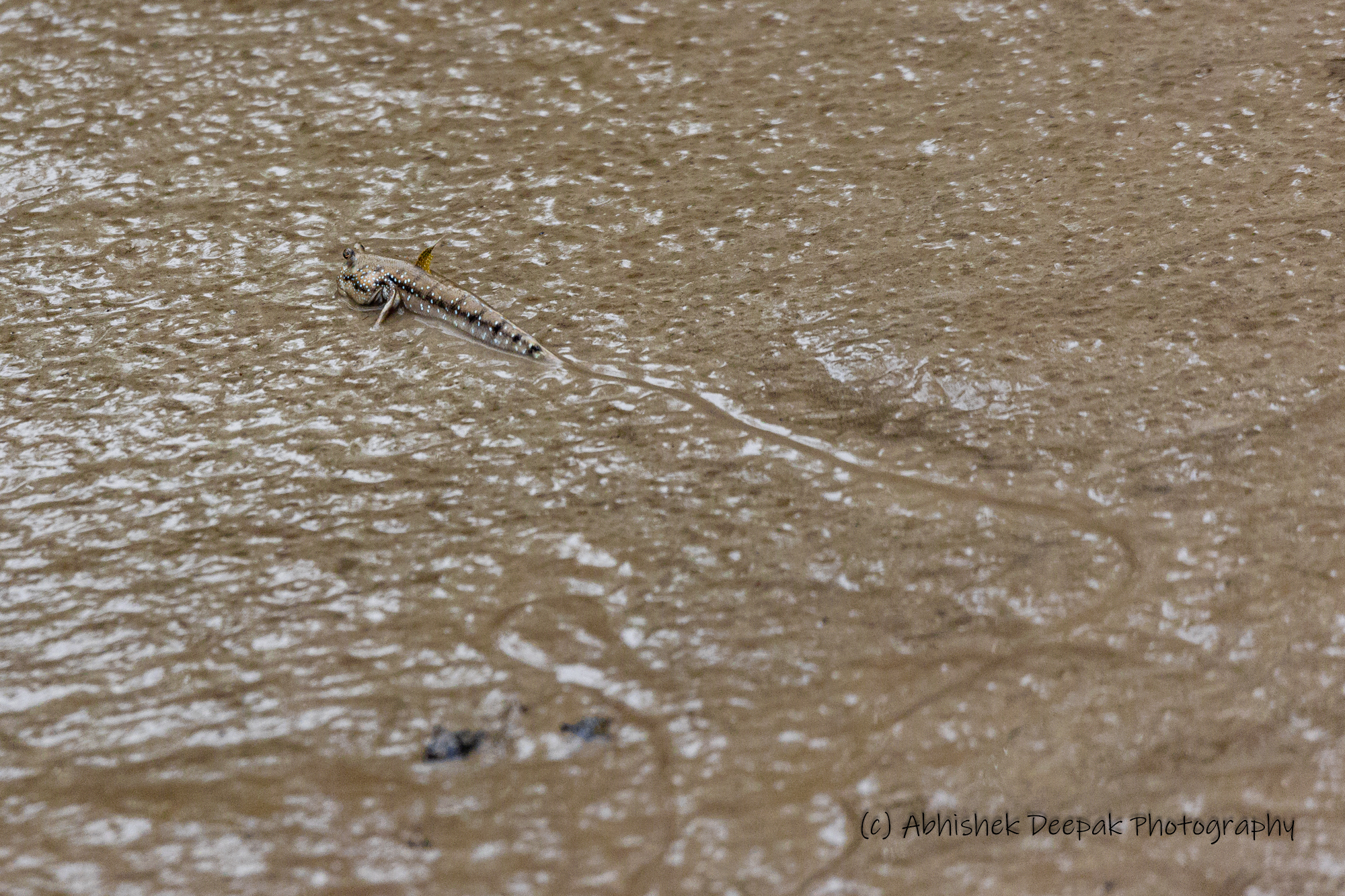
Mudskipper fish leaving a trail as it moves on the mud flat. This fish can walk on land.

Overall it was very exhausting trip as we would spend almost 14 hours on the boat from early morning till late evening in search of the tiger and we did however get one sighting but it is was behind alot of foliage therefore no good photos. I feel the best time to visit the park would be in the spring season from late February to mid May.

Comments


bottom of page