
Neutral Density Filters
- Abhishek Deepak
- Oct 17, 2017
- 1 min read

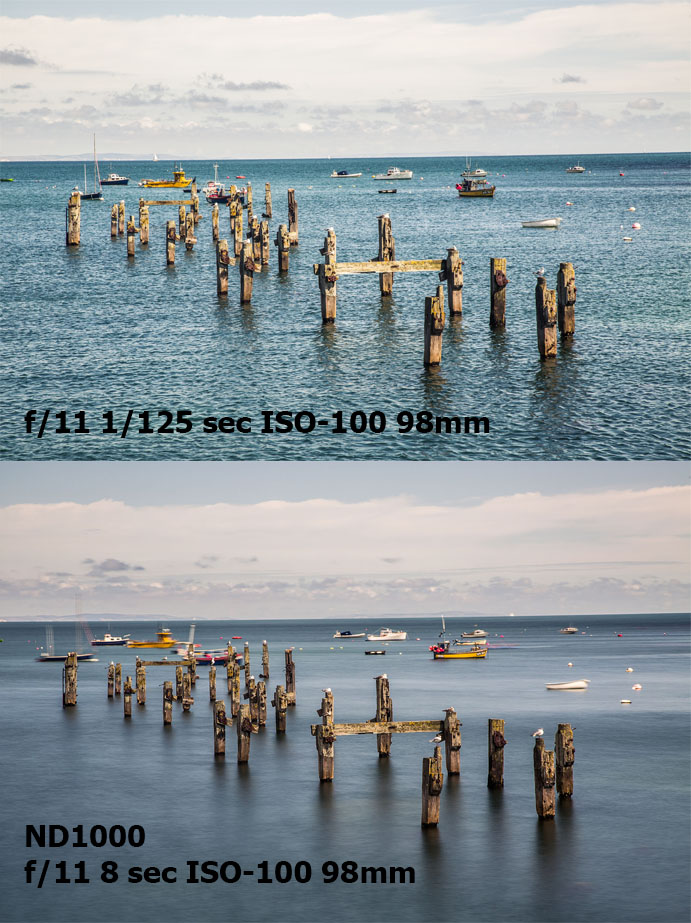
Neutral density filters come in various strengths or optical densities from blocking 1 stop of light to blocking out 10 or more stops of light passing through the camera lens. Each ND filter is given a notation of 2, 4, 8, 16, 32 and so on. The purpose of using ND filter is to achieve motion blur when using slow shutter speeds and are primarily used for shooting landscapes.
A 10 stop ND filter will block light by 10 stops and is known as ND 1024. So in this example, if the shutter of initial exposure was 1/125 second then attaching the 10 stop filter will block light by 10 stops so in order to avoid under exposure, we would need to adjust the shutter by 10 stops to get the proper balanced exposure.
Using ND filters require time and patience as some exposures can go over 8 minutes but all in all, it is a fun way to get creative.
ND2 = 1 stop
ND4 = 2×2 = 2 stops
ND8 = 2x2x2 = 3 stops
ND16= 2x2x2x2 = 4 stops
ND32= 2x2x2x2x2 = 5 stops
ND64= 2x2x2x2x2x2 = 6 stops
ND128=2x2x2x2x2x2x2 = 7 stops


Comments